
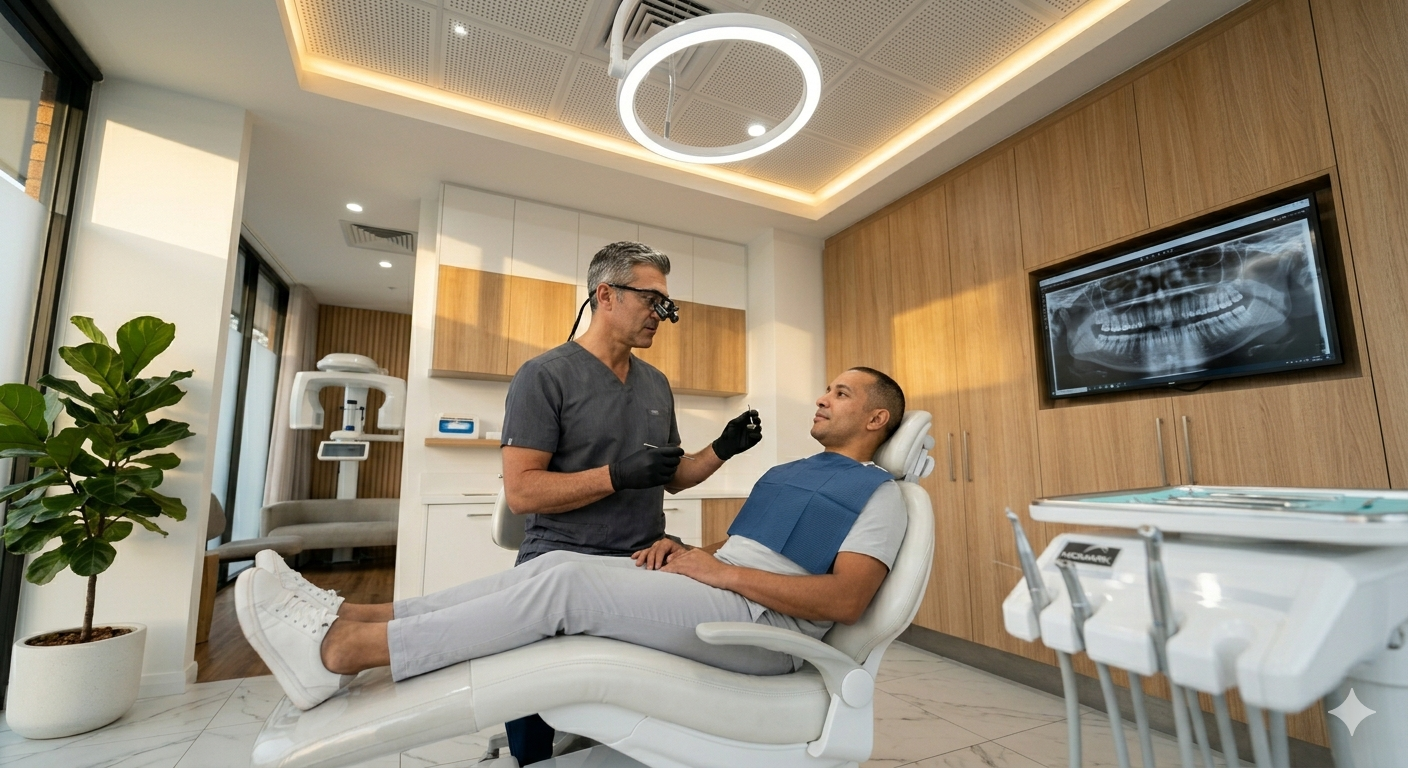
Dental implants in Marietta, GA, typically cost between $3,000 and $5,000 per tooth, depending on factors like the complexity of the procedure and the materials used. This price usually covers the implant, abutment, and crown but can vary based on individual patient needs.
Many patients find that dental implants offer long-term value because they function like natural teeth and help preserve oral health. Local clinics in Marietta often provide financing options or payment plans to make treatment more accessible.
Understanding the cost upfront helps residents make informed decisions about their dental care. For those curious about what influences the price and how to prepare, exploring the details can bring peace of mind and readiness to seek the best fit for their smile.
Understanding What Influences Dental Implant Pricing
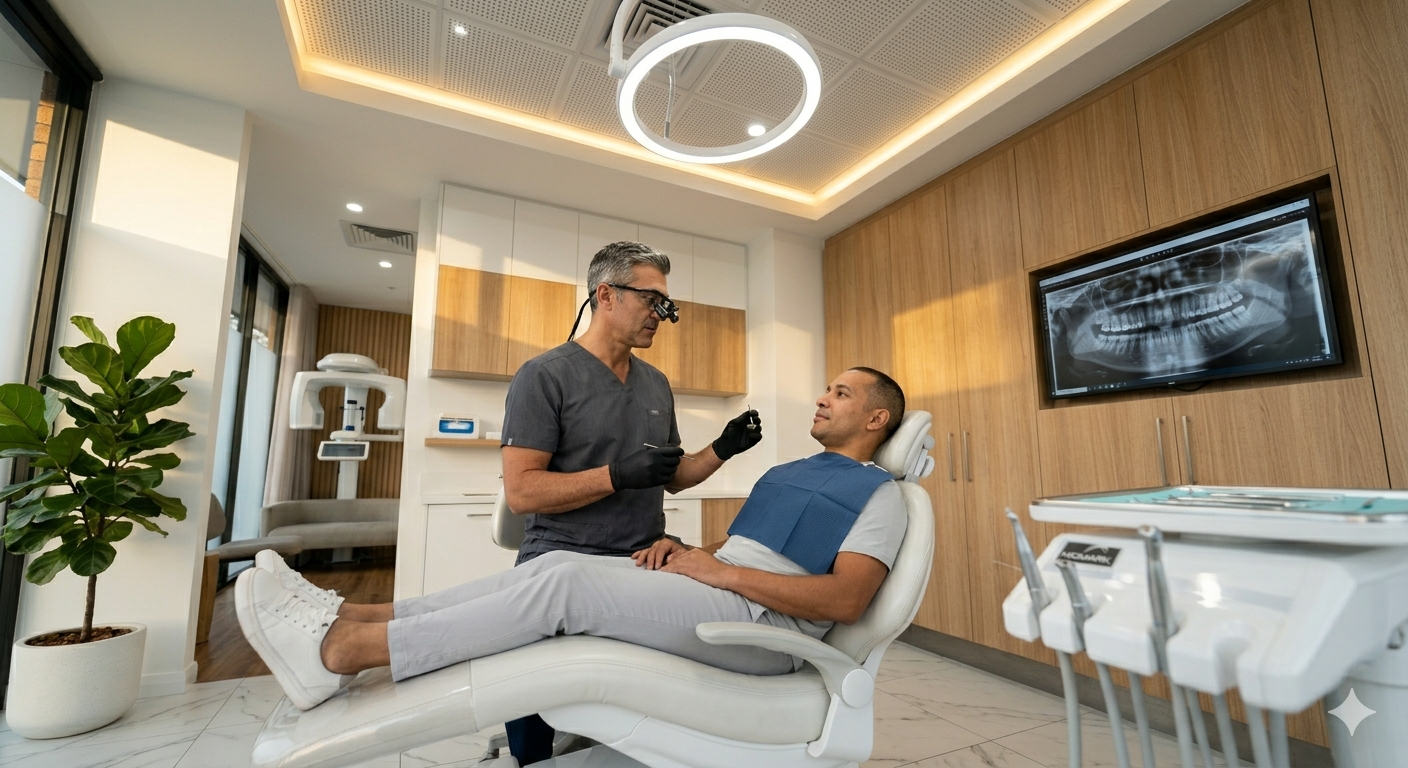
Several factors affect the cost of dental implants in Marietta, GA. These include the kind of implant chosen, the materials involved, and the expertise of the dental professional performing the procedure.
Types of Dental Implants
The most common dental implants are endosteal, placed directly into the jawbone. These can be single implants, multiple implants, or full-arch restorations. Each type varies in cost depending on complexity and the number of implants needed.
Subperiosteal implants, placed under the gum but above the bone, are less common and often more expensive due to specialized fitting. Mini implants offer a less invasive and often cheaper option but are suitable only for specific cases.
Selecting the right implant type involves evaluating bone health, the number of missing teeth, and long-term goals. These decisions have a direct impact on overall pricing.
Materials and Technology Used
Titanium remains the gold standard for dental implant screws because of its strength and biocompatibility. Zirconia implants offer a metal-free alternative but usually have a higher price tag.
Advanced imaging technology like 3D cone beam CT scans ensures precise implant placement, improving success rates but adding to the upfront cost. Custom abutments and digitally designed crowns also increase accuracy and comfort.
Using modern materials and technology often results in better outcomes and fewer complications, which can save money over time despite a higher initial investment.
Experience of the Dental Provider
The skill and reputation of the implant dentist play a significant role in pricing. Providers with specialized training in implantology or oral surgery may charge more due to their expertise.
Experienced dentists can avoid complications that might otherwise increase costs. They also tend to stay updated on the latest treatment protocols and technologies, offering safer and more predictable results.
It’s wise to consider both credentials and patient reviews, as a higher upfront fee might mean fewer future procedures and more confidence in the treatment process.
Breakdown of Typical Costs in Marietta, GA
Dental implant prices in Marietta vary based on the type of procedure and any extra treatments needed. Factors like how many teeth are involved and the complexity of the restoration directly influence the total cost.
Single Tooth vs. Multiple Implants
A single tooth implant in Marietta typically costs between $3,000 and $4,500. This includes the implant post, abutment, and crown. The price depends on the material used and the dentist’s experience.
When multiple implants are needed, the cost rises but can be more affordable per tooth. For example, two or three implants might cost $5,500 to $9,000, often with some savings on the overall procedure compared to single implants repeated.
Patients should consider that healing time and the need for additional visits can add to indirect costs like transportation or time off work.
Full Mouth Restoration Options
Full mouth dental implants can range dramatically, generally from $20,000 to $50,000 in Marietta. The exact price depends on whether traditional implants, all-on-4, or implant-supported dentures are chosen.
All-on-4 is a popular method because it uses fewer implants per jaw, often four, to support a full arch of teeth which can reduce cost and surgery time. Implant-supported dentures offer stability with fewer posts, costing less than individual implants for every tooth.
Each option requires careful planning and scans, which add to the initial pricing but help tailor the treatment specifically to the patient’s needs.
Additional Treatments Affecting Pricing
Additional treatments like bone grafts or sinus lifts can increase implant costs by $500 to $3,000 per procedure. These are needed if the jawbone isn’t dense enough to support implants securely.
Consultations, imaging (like CT scans), and follow-up visits may have separate fees, averaging $200 to $600 each in Marietta.
Proper gum health is crucial too; treating gum disease or infections before implant placement can add to upfront expenses but improves success rates.
Patients should discuss all these factors with their dental specialist to understand the full cost before starting treatment.
Insurance, Payment Plans, and Budgeting
Understanding how insurance, payment plans, and budgeting options work can make dental implants more affordable. Knowing what’s covered and how to manage costs helps patients plan ahead with confidence.
Dental Insurance Coverage
Many dental insurance plans offer limited coverage for implants because they are often considered elective or cosmetic. However, some plans may cover part of the procedure, like the initial consultation, X-rays, or the crown placed on the implant.
Patients should review their specific policy or speak directly with their insurer to clarify what is included. Coverage can vary widely depending on the provider and plan type. Some plans have annual maximums or waiting periods affecting coverage.
Checking if implant surgery is pre-approved can reduce surprise costs. In Marietta, many dental offices work with insurance companies to assist patients in maximizing their benefits.
Financing and Payment Plan Options
Dental offices in Marietta often provide financing options to assist patients with implant costs. Common plans allow patients to spread payments over several months or years, sometimes with low or no interest.
Popular third-party financing companies include CareCredit and LendingClub, which offer flexible payment schedules tailored to budgets. In-house payment plans through the dentist’s office can offer similarly flexible terms without extensive credit checks.
Patients should ask about any fees, interest rates, or penalties before committing. Transparent communication with the dental office ensures realistic expectations and helps balance treatment timing with financial comfort.
Flexible Spending Accounts
Flexible Spending Accounts (FSAs) and Health Savings Accounts (HSAs) can be excellent tools for budgeting dental implant costs. These accounts use pre-tax dollars for medical expenses, including dental implants and related procedures.
Using an FSA or HSA can reduce overall out-of-pocket expenses by lowering taxable income. However, FSAs typically have “use-it-or-lose-it” deadlines annually, so timing of the procedure matters.
Patients should confirm with their employer and dental office that the implants and associated treatments qualify before committing funds. Proper planning helps maximize benefits and ease the financial burden of implants.
Comparing Value: Implants vs. Other Tooth Replacement Choices
When evaluating tooth replacement options, it’s important to weigh how long they last and what kind of upkeep they need over time. These factors often influence both the overall cost and the patient’s day-to-day experience.
Longevity and Durability
Dental implants are designed to be a permanent solution, often lasting 20 years or more with proper care. Unlike dentures or bridges that may need to be replaced every 5-15 years, implants fuse directly to the jawbone, which helps prevent bone loss and maintains facial structure.
Bridges rely on adjacent teeth for support, which can weaken those teeth over time. Dentures, while less expensive upfront, are prone to wear and may require multiple adjustments or replacements. Implants stand out for their strength and stability, offering a more natural feel during eating and speaking.
Long-Term Maintenance Requirements
Implants require routine daily hygiene—brushing, flossing, and regular dental visits—to prevent gum disease and maintain oral health. They do not need adhesives like dentures or replacement like bridges.
Bridges need careful cleaning underneath to avoid decay and gum issues on supporting teeth. Dentures must be removed for cleaning and occasionally relined for fit, which can be inconvenient. Over time, implants cause less disruption to oral care routines, making them a convenient and lasting choice.
What To Expect During Your Consultation in Marietta
During a dental implant consultation, patients can anticipate a thorough examination and a clear breakdown of costs. The visit focuses on tailored treatment options and an upfront discussion about fees to help patients make informed decisions.
Personalized Treatment Planning
The consultation starts with a detailed oral exam, including X-rays or 3D imaging, to assess bone density and gum health. This step ensures the implant plan fits the patient’s unique mouth structure and dental needs.
The dentist discusses options like single implants, multiple implants, or implant-supported dentures. They also consider health factors such as any gum disease or medical conditions that might affect healing.
Patients receive a step-by-step timeline covering implant placement, healing periods, and final restoration. This personalized approach helps patients understand what to expect at each stage.
Transparent Pricing and Estimates
Cost discussions are straightforward, covering all elements like the implant post, abutment, crown, and any preparatory procedures. This clarity helps patients avoid surprise charges later.
Dentists provide a written estimate breaking down fees, including consultation, imaging, surgery, and follow-up visits. Financing options or insurance coverage are often reviewed as part of this conversation.
Patients are encouraged to ask about affordable alternatives or phased treatment plans. This openness fosters trust and helps patients plan for dental implants without financial stress.
Benefits of Investing in Dental Implants
Dental implants offer a reliable and natural-looking solution for missing teeth. They closely mimic the function and appearance of real teeth, helping patients regain confidence in their smiles.
One key benefit is improved chewing ability. Unlike dentures that can slip or make eating difficult, implants are firmly anchored in the jawbone. This stability allows people to enjoy their favorite foods without worry.
Another advantage is maintaining jawbone health. When a tooth is lost, the underlying bone can deteriorate over time. Implants help preserve bone by stimulating natural growth, which keeps facial structure intact.
Dental implants are also easy to care for. They don’t require special cleaning routines beyond regular brushing and flossing. With proper care, implants can last many years, making them a cost-effective long-term investment.
Key Benefits at a Glance:
| Benefit | What It Means for the Patient |
|---|---|
| Natural Look & Feel | Restores smile aesthetics and comfort |
| Enhanced Eating Ability | Allows normal chewing and food choices |
| Bone Preservation | Prevents jawbone loss and facial sagging |
| Long-Term Durability | Offers a lasting solution with regular care |
For those in Marietta, GA considering dental implants, discussing options with a trusted dental professional is the next best step toward a healthier, more comfortable smile.
How to Choose a Dental Implant Provider in Marietta
Choosing the right dental implant provider in Marietta is important for a smooth, comfortable experience. Patients should look for a dentist with specialized training in implants and a history of successful procedures.
It helps to read reviews and ask for before-and-after photos of past patients. This gives a clear picture of the provider’s skill and results.
Look for a practice that uses modern technology like 3D imaging. This technology improves precision and helps create a personalized treatment plan.
Comfort matters, too. A welcoming office with friendly staff can make dental visits less stressful.
Patients should consider the range of services offered. Some providers handle the entire implant process in-house, while others refer parts of the procedure to specialists. Knowing this upfront can ease scheduling and coordination.
Here’s a quick checklist to guide the choice:
| Factor | Why It Matters |
|---|---|
| Experience | More cases usually mean better results |
| Technology | Ensures accurate implant placement |
| Patient Reviews | Real feedback on satisfaction and care |
| Treatment Range | Convenience and continuity of care |
| Office Environment | Comfort and support during visits |
When patients choose carefully, they set themselves up for a successful implant experience. It’s always a good idea to schedule a consultation and ask questions to feel confident before moving forward.
Next Steps: Scheduling a Visit and Getting Answers
When considering dental implants in Marietta, GA, the best way to start is by scheduling a consultation with a trusted local dentist. During this visit, patients can expect a thorough evaluation of their oral health and a discussion about implant options tailored to their needs.
The dentist will explain the entire process, from preparation to placement, in clear and simple terms. This meeting is also a great opportunity to ask any questions about the procedure, recovery time, and costs involved.
It helps to prepare a list of questions beforehand. Some common concerns might include:
- How long the implant process will take
- What the total cost includes
- Insurance coverage and payment options
- Ways to manage discomfort
Patients often appreciate when dentists provide a breakdown of costs and explain different payment plans. This transparency makes it easier to plan ahead and feel confident about moving forward.
Most dental offices in Marietta offer friendly, supportive staff focused on patient comfort. They can guide individuals through paperwork, insurance claims, and appointment scheduling.
Taking the first step by booking an appointment will set everything in motion. This initial visit can clear up doubts and provide a personalized plan that fits each patient’s lifestyle and budget.
Frequently Asked Questions
Dental implant costs can vary depending on several important details. Understanding these factors helps patients plan better and know what to expect financially and medically.
What factors typically affect the total price of dental implants?
The total cost depends on the number of implants, the type of implant used, and any additional procedures needed. Location and the dentist’s experience can also influence pricing.
Do most implant quotes include the crown, abutment, and all surgical visits, or are there add-on fees?
Many quotes separate the implant placement from the crown and abutment costs. Some dentists provide all-inclusive packages, but patients should always confirm what is covered.
Will I need a bone graft or sinus lift, and how would that change the overall cost?
Bone grafts or sinus lifts are sometimes necessary if there isn’t enough bone to support the implant. These procedures add to the overall cost and healing time.
Are there affordable payment plans or financing options to help spread out the cost?
Yes, many dental offices offer payment plans or financing to make implants more affordable. These options break payments into manageable monthly amounts.
Does dental insurance usually help cover any part of implant treatment, and what should I ask my plan?
Some insurance plans cover a portion of the implant or related procedures, but coverage varies widely. It’s important to ask about implant coverage limits, deductibles, and pre-authorization requirements.
Can dental implants help fix bite problems, and does that impact the treatment cost?
Implants can support bite correction when combined with orthodontics or other treatments. The complexity of bite issues may increase treatment steps and costs.