
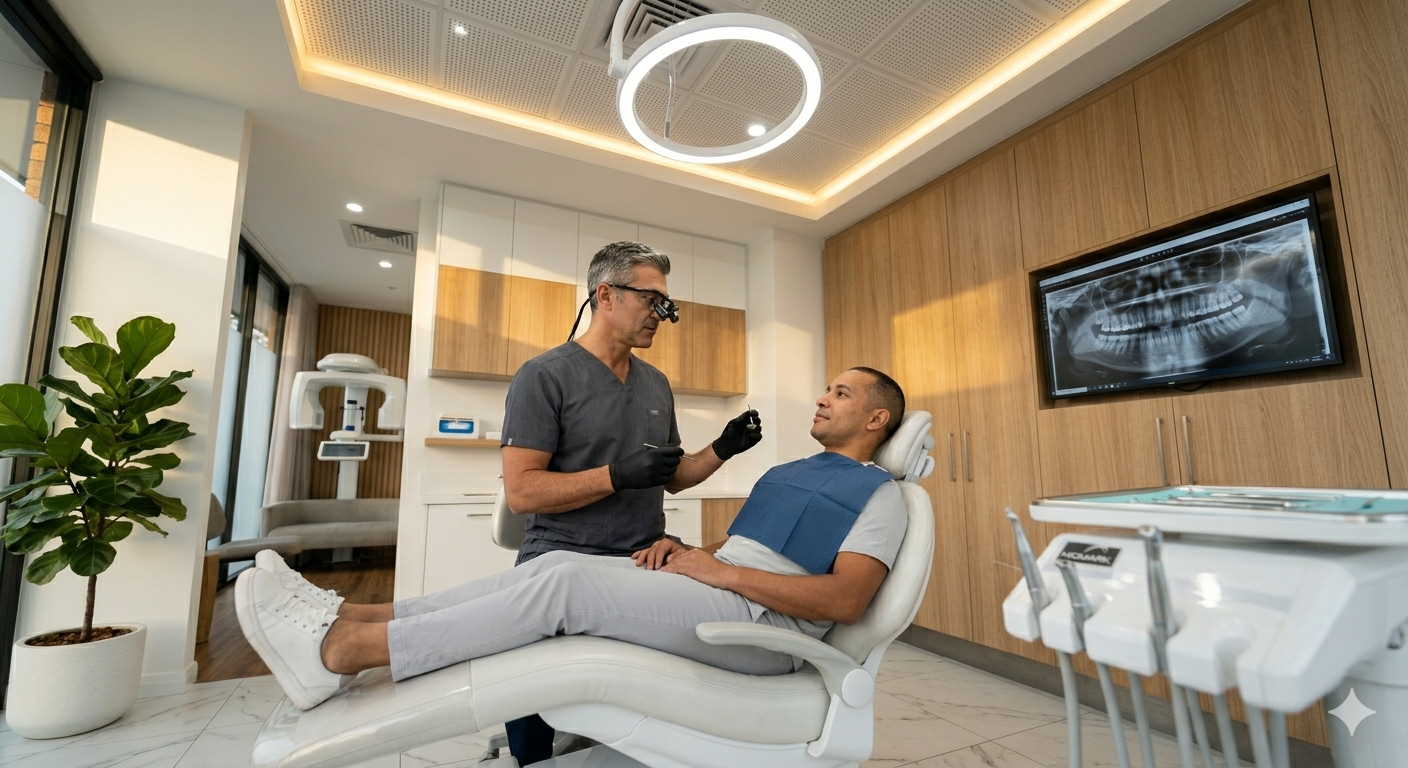
You’ll notice porcelain veneers can transform your smile quickly and naturally, addressing chips, gaps, stains, and uneven teeth so you feel more confident in photos and conversations. Porcelain veneers deliver durable, stain-resistant results that mimic natural enamel, giving you a lasting improvement with minimal daily upkeep.
A Marietta, GA practice can tailor each veneer to your face, bite, and comfort, combining modern lab work with local care to streamline the process from consultation to final placement. The following article explains how veneers work, what to expect during treatment, long-term care, and why choosing a skilled local dentist matters—so you can decide whether this cosmetic option fits your goals.
Transforming Smiles with Porcelain Veneers
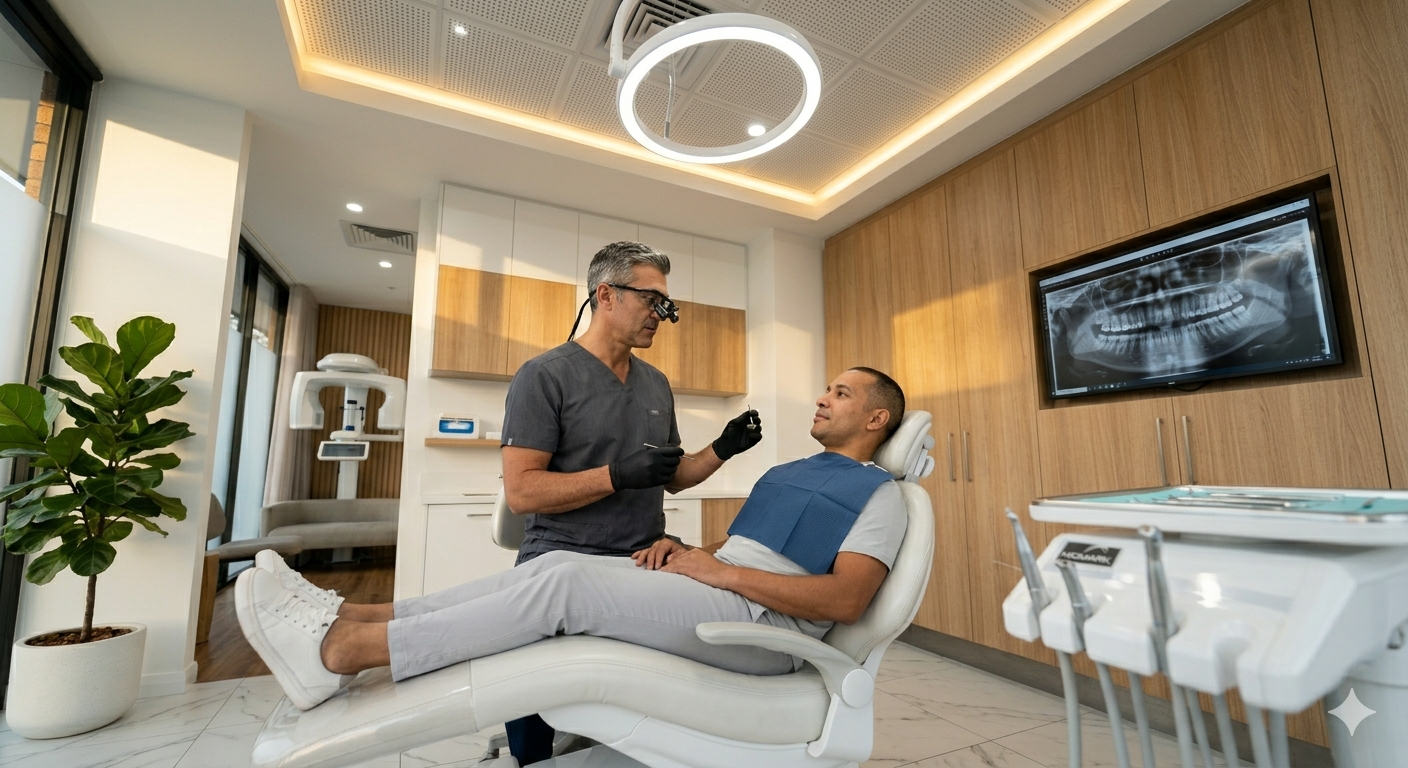
Porcelain veneers change tooth color, shape, and alignment in predictable steps. They often provide long-lasting improvement with conservative enamel removal and careful shade matching.
Aesthetic Enhancements for Teeth
Porcelain veneers restore tooth color with thin ceramic shells bonded to the front surface. A dentist selects a shade using a shade guide and patient input, then fabricates veneers to match adjacent teeth or create a brighter, uniform smile. The ceramic mimics enamel’s translucency, which helps avoid a flat, artificial look.
Veneers also reshape teeth by altering length and contour. They can correct minor crowding or rotation without orthodontics when positioned carefully. Patients benefit from stain resistance compared with composite bonding and from durable surface polish that maintains luster over years with proper care.
Concealing Chips, Cracks, and Gaps
Veneers cover small chips and surface cracks by replacing the visible enamel with a bonded ceramic layer. This prevents further aesthetic progression while restoring smooth edges for biting comfort. For structural issues beyond cosmetic chips, a dentist evaluates whether a crown or other restoration is more appropriate.
Veneers also close small gaps and uniformize spacing without braces, using custom widths and contact points to preserve natural tooth proportions. The dentist assesses occlusion and bite force to ensure the veneers won’t be overloaded, and may recommend a nightguard if grinding risk exists.
Creating Natural-Looking Results
Achieving a natural look requires precise tooth preparation and laboratory craftsmanship. The dentist minimally trims enamel—typically 0.3–0.7 mm—so the veneer sits flush with neighboring teeth and maintains proper bite relationships. Digital photos and impressions guide the lab in reproducing texture, translucency, and subtle surface anatomy.
Final fit and color adjustments occur at try-in, where the dentist uses neutral try-in pastes and makes incremental changes. Polishing and correct cement selection ensure a seamless margin and long-term stain resistance. Patient involvement in shade and shape decisions helps produce results that look and feel like natural teeth while supporting comfort and function.
Personal Confidence and Everyday Life
Porcelain veneers can change how a person approaches daily interactions, self-image, and career opportunities by addressing visible dental concerns like gaps, chips, and discoloration. The following subsections explain specific social, emotional, and professional effects patients commonly report after treatment.
Impact on Social Interactions
Veneers often make people more willing to smile in public and participate in events where photos or conversation happen. A properly matched set of veneers reduces self-conscious behaviors such as covering the mouth, speaking softly, or avoiding eye contact.
Improved smile appearance can shorten the time someone spends worrying before joining social situations. Friends and acquaintances may notice a more open, relaxed demeanor, which can make introductions and small talk feel easier.
Some patients report renewed interest in dating or community activities because they no longer anticipate judgment about their teeth. These changes hinge on realistic expectations set by the dentist and quality lab work for natural-looking results.
Boosting Self-Esteem
Aesthetic dental improvements can yield measurable increases in confidence for many patients. When veneers correct irregularities that previously caused embarrassment—like uneven teeth or long-term staining—people often feel more assured in both casual and formal settings.
This confidence can influence daily habits: patients tend to maintain better oral hygiene to protect their investment and may smile more frequently, which reinforces positive self-image. The psychological benefit is strongest when the restoration complements facial features and tooth proportions instead of appearing oversized or artificial.
Dental teams in Marietta emphasize conservative preparation and shade-matching to preserve tooth structure and deliver believable results, which supports lasting self-esteem rather than a temporary boost.
Professional Benefits
A well-executed smile can affect first impressions in job interviews, client meetings, and networking. Employers and colleagues often associate a healthy, well-groomed appearance with reliability and attention to detail—traits that veneers can help convey when applied subtly and professionally.
Patients in sales, hospitality, and other client-facing roles report increased comfort during presentations and meetings after treatment. This comfort translates into clearer speech and more frequent smiling, which can improve perceived approachability.
Dentists advise balancing aesthetics with function to ensure veneers do not impair bite or speech. When planning veneers, clinicians consider work-related needs—such as public speaking or wearing PPE—to achieve both durable function and professional appearance.
Durability and Long-Term Value
Porcelain veneers provide dependable wear resistance and maintain cosmetic results for years when placed and cared for properly. Patients can expect a predictable service life with routine dental visits, good oral hygiene, and reasonable habits.
Resilience Against Staining
Porcelain used for veneers is glass-like and highly non-porous, so it resists common stains from coffee, tea, red wine, and tobacco far better than natural enamel or composite resin. This means the surface remains smooth and glossy without absorbing pigments, preserving a whiter appearance over time.
Edges and the cement interface require attention because staining or discoloration can occur where veneer meets natural tooth if plaque accumulates. Regular professional cleanings and nightly brushing with a non-abrasive toothpaste reduce that risk. Patients who smoke or consume heavy staining foods see better long-term results by moderating those habits and attending maintenance visits every six months.
Lasting Color and Finish
High-quality porcelain veneers keep their color because the material’s intrinsic shade is baked into the ceramic, not merely applied as a surface coating. That prevents gradual yellowing or patchy wear seen with some restorative options, so veneers retain uniform translucency and luster for many years.
Proper finishing and glazing at the lab and precise polishing in the office are critical for longevity of the finish. Avoiding abrasive whitening pastes and using a soft-bristle brush preserves the glaze. If a veneer chips or the margin needs refinement, a dentist in Marietta can often repair or replace individual units rather than redoing an entire smile.
Comfort and Customization
Patients in Marietta appreciate veneers that feel natural and match their facial features while minimizing tooth alteration and sensitivity.
Minimally Invasive Procedure
Porcelain veneers usually require removing only 0.3–0.7 mm of enamel per tooth, which preserves the bulk of the natural tooth structure.
This conservative preparation reduces postoperative sensitivity compared with full-coverage crowns and often avoids the need for root canal treatment.
Local anesthesia is used during shaping and bonding, so patients report little to no discomfort during the appointment.
A temporary restoration can be placed if more extensive contouring is needed, protecting teeth and maintaining function between visits.
Digital impressions and preview smile simulations let the dentist plan exact reduction amounts and show patients the expected outcome.
That planning minimizes surprises, shortens chair time, and reduces the number of adjustments after cementation.
Tailored to Fit Your Smile
The dental team coordinates shade selection, translucency, and edge design to match the patient’s remaining teeth and facial proportions.
Technicians mill or hand-layer porcelain to replicate natural enamel characteristics—brightness, texture, and light transmission—so veneers blend seamlessly.
Occlusion (bite) is assessed and adjusted at try-in to avoid high spots that can cause chipping or jaw discomfort.
If a patient grinds or clenches, the dentist may recommend a night guard to protect the veneers and prevent premature wear.
Custom gum contouring, when indicated, refines the gum-tooth relationship for symmetry and improves how veneers sit at the margin.
Follow-up visits allow minor polishing or reshaping to perfect comfort and esthetics, and the practice provides aftercare instructions for long-term maintenance.
Dental Health Advantages
Porcelain veneers protect and stabilize teeth while making them easier to keep clean. They can reduce sensitivity, prevent further wear on damaged enamel, and encourage better daily oral care.
Supporting Tooth Structure
Veneers cover thin, chipped, or slightly cracked enamel with a strong ceramic layer bonded to the tooth surface. This restores proper contour and thickness, which helps distribute chewing forces more evenly and reduces risk of additional chipping or fracture.
When a dentist trims minimal enamel for a veneer, they preserve more natural tooth than a full crown requires. This conservative approach maintains tooth strength and the integrity of the dentin-enamel junction, lowering the chance of future root canal treatment.
Quality adhesive systems create a durable seal that resists microleakage, limiting bacterial ingress at the margin. Patients in Marietta who follow scheduled dental checkups typically see longer-lasting protection and fewer restorative needs on veneered teeth.
Improved Oral Hygiene Habits
Veneers create smooth, stain-resistant surfaces that make plaque and tartar less likely to adhere compared with rough, pitted enamel. That smoother surface often motivates patients to brush twice daily with a soft-bristle brush and use daily floss or interdental cleaners to maintain a bright restoration.
Dentists typically demonstrate targeted cleaning techniques after placement—showing proper flossing angles and nonabrasive polishing pastes—to avoid scratching the porcelain. Regular professional prophylaxis every 3–6 months helps remove any buildup at the margins and allows early detection of gum inflammation.
Patients who adopt these specific habits—gentle brushing, daily interdental cleaning, and routine hygiene visits—help protect both the veneered teeth and surrounding gum tissue, reducing the likelihood of decay or periodontal issues.
Why Choose a Marietta, GA Practice?
A Marietta practice offers tailored care and easier access to trusted specialists close to home. Patients benefit from personalized treatment plans and local knowledge that speed treatment and improve comfort.
Personalized Patient Care
Marietta practices often begin with a comprehensive exam that includes digital X-rays and intraoral photos to document current concerns. Providers build a treatment plan that aligns with a patient’s aesthetic goals, budget, and oral health needs rather than using a one-size-fits-all approach.
They discuss material choices, such as feldspathic versus lithium disilicate porcelain, explaining longevity, translucency, and cost so patients can make informed decisions. Appointments prioritize comfort with options like local anesthesia, nitrous oxide, or oral sedation when needed.
Follow-up care includes custom night guards, routine hygiene visits, and warranty or maintenance guidance for veneers to protect the investment. The practice coordinates any additional care—root canals, orthodontics, or periodontal therapy—so veneer outcomes remain stable.
Local Expertise and Convenient Access
Local Marietta dentists understand the area’s patient demographics and common lifestyle concerns—wine or coffee staining, bite wear from sports, or past orthodontic relapse—so they offer solutions targeted to those issues. Many practices partner with nearby dental labs for faster turnaround and can preview veneers with try-in appointments or digital mockups within days.
Convenience shows up in scheduling: evening or Saturday hours, centralized parking, and short drive times for most Cobb County neighborhoods reduce missed appointments. Insurance coordinators on staff help patients navigate coverage and financing for porcelain veneers, often presenting clear monthly payment options.
Emergency access matters too; local practices can see patients quickly for veneer repairs or adjustments after an accident, minimizing disruption to function and appearance.
What to Expect During the Process
The initial consultation lets patients discuss goals and review photos or X-rays. The dentist explains options, shows shade samples, and answers questions about comfort and timing.
During the preparation visit, the dentist gently reshapes the tooth surface to make room for the veneer. Local anesthesia is often used so sensations stay minimal; many patients report only light pressure.
A digital scan or physical impression captures precise tooth details for the lab-made porcelain veneer. This step ensures a natural fit and consistent color match with surrounding teeth.
While the lab fabricates the permanent veneer, a temporary restoration protects the prepared tooth. Temporaries look and feel similar to the final veneer and help patients adjust bite and speech.
At the final appointment, the dentist checks fit, color, and bite, making small adjustments as needed. The veneer is then bonded with a strong dental cement and cured with a light for lasting adhesion.
Aftercare instructions cover gentle brushing, flossing, and avoiding hard foods for a short time. Regular check-ups help monitor the veneer and overall oral health.
Common patient concerns—sensitivity, appearance, and durability—are addressed throughout the process. The team encourages questions at every step and invites patients to schedule a consultation to discuss personalized options.
Caring for Your Veneers
Patients should treat porcelain veneers much like natural teeth: regular brushing and flossing keep gums healthy and surfaces clean. Use a soft-bristled toothbrush and non-abrasive fluoride toothpaste to avoid dulling the porcelain.
Avoid biting directly into very hard items such as ice, hard candy, or pen caps to reduce risk of chipping. If they grind or clench at night, a dentist may recommend a custom nightguard to protect veneers and natural teeth.
Limit frequent exposure to strongly staining foods and drinks—coffee, red wine, and berries can build surface stains over time. Occasional staining can often be managed with professional polishing during routine dental visits.
Schedule regular check-ups and cleanings every six months so the dentist can inspect margins, fit, and oral health. Early detection of gum recession or small chips helps preserve the longevity of veneers.
If a veneer becomes loose, cracked, or causes sensitivity, contact the dental office promptly rather than waiting. Quick repairs or replacements are usually straightforward and prevent more extensive treatment later.
Simple daily habits make a big difference: gentle oral hygiene, protective devices when needed, and routine dental visits. Patients in Marietta who follow these steps generally enjoy durable, natural-looking results and greater confidence in their smiles.
Next Steps to a Brighter Smile
They should schedule an initial consultation with a trusted Marietta dentist to discuss goals, medical history, and expectations. The dentist will examine teeth, take X-rays or scans, and explain whether porcelain veneers are the best fit for their smile.
They will review shade selection, veneer shape, and the timeline for treatment. A mock-up or digital preview often helps patients visualize results before any enamel is altered.
A typical pathway includes tooth preparation, impressions or digital scans, and placement of temporary restorations if needed. Final veneers are bonded in a follow-up visit once the lab-crafted porcelain meets both functional and cosmetic goals.
They should ask about aftercare, sensitivity management, and follow-up schedules to protect their investment. Regular hygiene visits and gentle home care help veneers last longer and keep surrounding teeth healthy.
Costs, insurance coverage, and financing options will vary, so discussing payment plans upfront reduces surprises. The office staff can often provide estimates and explain what portion might be out-of-pocket.
If they have concerns about anxiety or comfort, many Marietta practices offer sedation options and friendly support. Call the dental office to arrange a consultation, ask questions, or request a digital smile preview.
Frequently Asked Questions
This section answers practical questions about porcelain veneers in Marietta, GA, covering which imperfections veneers fix, lifespan and maintenance, comfort during treatment, aesthetics and customization, bite limitations, and cost factors.
What cosmetic concerns can veneers improve, like chips, stains, small gaps, or uneven teeth?
Porcelain veneers correct chips, surface stains, and worn enamel that don’t respond to whitening.
They close small gaps and reshape slightly uneven or short teeth to create a more uniform smile.
Veneers work best for cosmetic issues rather than major structural problems.
Large gaps, severely rotated teeth, or extensive decay may require orthodontics, crowns, or restorative work first.
How long do porcelain veneers usually last, and what helps them stay beautiful for years?
Modern porcelain veneers commonly last 10–20 years with good care.
Longevity depends on oral hygiene, avoiding hard biting habits, and regular dental checkups.
Using a non-abrasive toothpaste, wearing a nightguard for grinding, and avoiding ice or hard candies helps preserve them.
Professional cleanings and timely repairs for any chips extend their service life.
Will getting veneers hurt, and what can I expect during the numbing and placement process?
Most patients report minimal discomfort because the dentist numbs the area before shaving a thin enamel layer.
Local anesthesia keeps sensations low during preparation and bonding.
After placement, mild sensitivity for a few days is common and responds to over-the-counter pain relievers.
The dentist will explain each step and confirm comfort throughout the appointment.
Do veneers look natural, and how are the color and shape customized to match my smile?
Ceramic veneers mimic light-reflecting properties of natural teeth and can look highly natural.
The dentist and lab technician select shade, translucency, and contour to match neighboring teeth and facial features.
Digital previews and temporary veneers let patients see expected results before final bonding.
Skilled technicians can adjust shape and color for subtle or dramatic changes, depending on patient goals.
Can veneers correct bite issues like an underbite, or would another treatment be a better fit?
Veneers do not correct significant bite problems such as moderate to severe underbites or crossbites.
Orthodontics, surgical correction, or restorative rehabilitation usually provide functional correction for those cases.
Minor bite adjustments can sometimes be managed with careful veneer design, but a full evaluation determines the safest option.
The dentist will recommend the appropriate combination of treatments when bite function is a concern.
What’s a typical price range for veneers, and what factors can change the total cost in Georgia?
Porcelain veneers in Georgia commonly range from $900 to $2,000 per tooth, depending on materials and lab quality.
Factors that affect price include the dentist’s experience, the lab used, any preparatory treatments (like fillings or root canals), and the need for sedation.
Insurance rarely covers purely cosmetic veneers, though partial coverage may apply if a veneer addresses structural damage.
Many Marietta practices offer financing or payment plans to spread the cost and make treatment accessible.
If questions remain or a personalized estimate is needed, contact the Marietta dental office for an exam and consultation.